Agriculture

New EU Rules on Farm Emissions Now in Effect

On Sunday, July 4th, a revised set of rules from the European Union concerning industrial emissions took effect, significantly broadening the scope to include more livestock farms than previous regulations.

The updated directive, known as IED 2.0, targets "the most polluting pig and poultry farms," according to the European Commission. These farms contribute to roughly 30% of the EU's total ammonia emissions.

Key Takeaways from the New Agriculture MEPs

The European Parliament’s Committee on Agriculture and Rural Development (AGRI) has confirmed its new lineup for the 2024-2029 term, promising heightened political activity. The committee now comprises 49 members, an increase from 48 in the previous term. Leading the committee is Veronika Vrecionová, a Czech MEP from the hard-right European Conservatives and Reformists (ECR) group. Vrecionová, an experienced member with a strong background in agricultural issues, particularly gene-edited crops, is set to chair the committee.

EESC Raises Early Warning: Impact of EU Expansion on Agriculture

The impending enlargement of the European Union (EU) promises to be a significant milestone, presenting both opportunities and challenges. The EU faces numerous global issues, such as evolving geopolitical dynamics, climate change, and transitions in energy and environmental policies. The European Economic and Social Committee (EESC) emphasizes the need for thorough preparation and adherence to EU values as new member states join.

Project iFlavours | CLLD

iflavours project clld

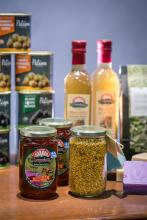
Certified agricultural products are a very important attraction point for tourists when they look for new destinations or when they visit an area. However, tourists today struggle to find integrated information on the certified products that each area offers and struggle to locate the products, finally being satisfied by “bumbing” into some of the products in urban markets. This situation decreases the interest on certified products and does not offer decentralized areas the opportunity to attract tourists with one of their few “weapons” along with nature and quietness.